How slowing down among the forests, mesas, mountains, and canyons of the Southwest can help restore the mind and body
Forest bathing may sound like taking a shower beneath a waterfall or soaking in a mountain stream, but it is something much deeper.
Known in Japan as Shinrin-yoku, forest bathing is the practice of slowing down and experiencing nature through all five senses. While water can certainly be part of the experience, no actual bathing is required.
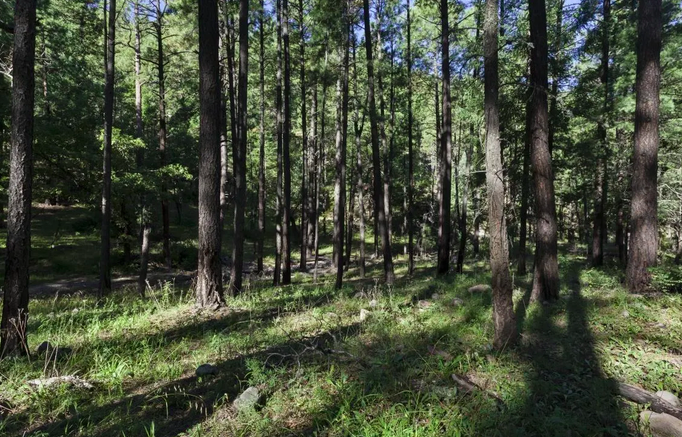
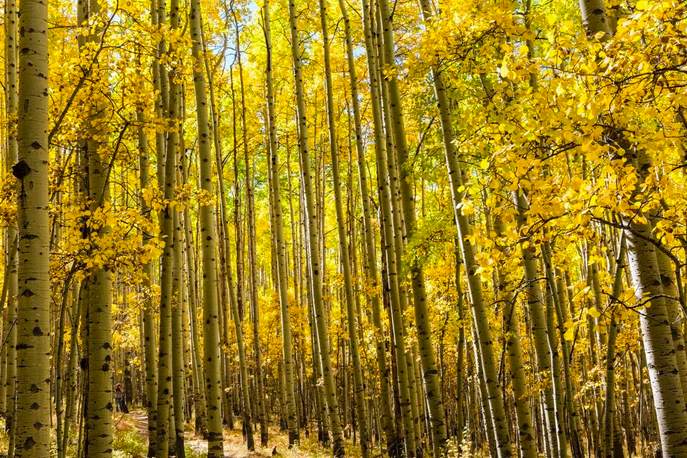
In the Four Corners, forest bathing can happen beneath towering ponderosa pines, beside a Colorado mountain stream, among the aspens of northern New Mexico, or within the quiet red-rock canyons of Arizona and Utah. You can even practice it in your backyard or a nearby city park.
The location matters less than your willingness to stop, notice, and be present.
What Is Forest Bathing?
The Japanese term Shinrin-yoku means “taking in the forest atmosphere.”
Unlike hiking, forest bathing is not about exercise, counting miles, or reaching a particular destination. It is about allowing nature to wash over you.
You might breathe in the scent of ponderosa pine warmed by the sun. Notice the earthy fragrance released after a summer monsoon. Listen to wind moving through aspens, the call of a raven overhead, or the distant chatter of a canyon wren.
You might run your hand across the rough bark of an ancient juniper or watch sunlight filter through leaves dancing in the breeze.
Forest bathing invites you to experience nature not merely as a destination, but as a relationship.
Where Did Forest Bathing Begin?
Although people have sought restoration in nature for centuries, the term Shinrin-yoku was introduced in Japan during the 1980s.
It encouraged people to step away from the pressures of modern life and spend intentional, unhurried time in natural surroundings. Groves of Hinoki cypress and Sugi cedar became places of reflection and restoration.
The growing interest in forest bathing reflects something many of us already know instinctively: modern life can pull us away from the natural world, and we often feel better when we reconnect with it.
Forest Bathing in the Four Corners
The Four Corners region offers an extraordinary variety of settings for forest bathing and nature therapy.
In New Mexico, you might wander beneath ponderosa pines or listen to the rustling leaves of an aspen grove. In Colorado, you could sit beside a mountain stream or walk quietly through a high-country meadow.
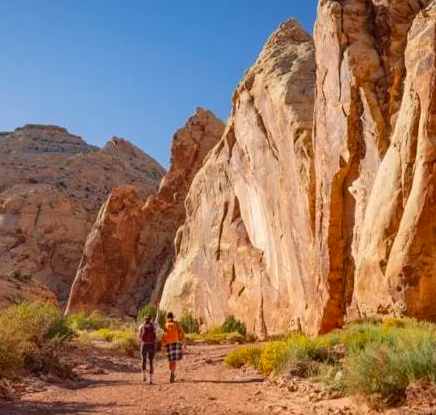
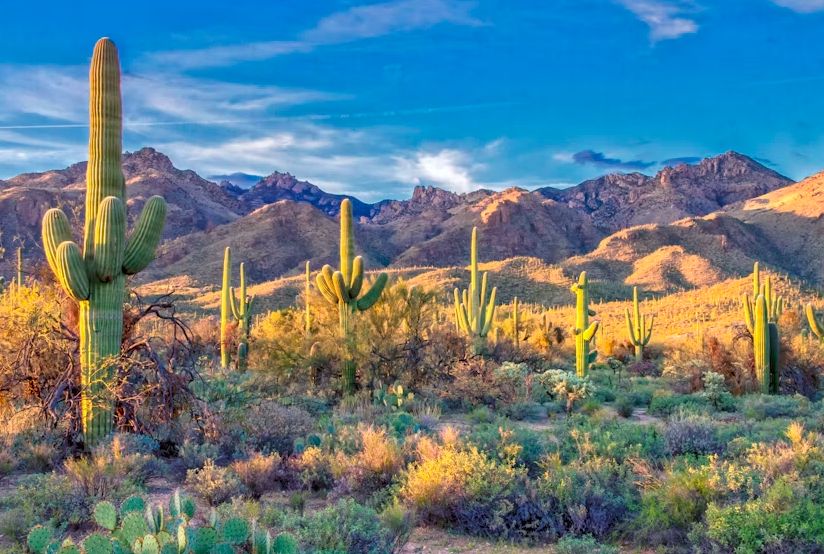
Arizona offers ancient junipers or saguaros, pine-covered mountains, and shaded canyon trails. In Utah, forest bathing might happen among cottonwoods, red-rock walls, and the silence of an open desert landscape.
You do not necessarily need a lush forest. The word “forest” describes the origins of the practice, but the deeper intention is to connect with the natural environment around you.
Many people come to the Southwest seeking adventure. Yet some of the greatest benefits may come when we stop exploring long enough to be still.
What Are the Benefits of Forest Bathing?
Researchers continue to study how spending quiet, intentional time in nature may affect physical and emotional well-being.
Studies suggest that forest bathing may help:
- Reduce feelings of stress and anxiety
- Support a more relaxed mood
- Lower cortisol and other stress-related responses
- Encourage healthier blood-pressure levels
- Promote relaxation of the nervous system
- Support certain aspects of immune function
Trees and plants release natural airborne compounds called phytoncides, which help protect them from insects and disease. Researchers are examining whether breathing these compounds may contribute to some of the benefits associated with spending time in forests.
However, phytoncides are probably only part of the story. Moving slowly, breathing fresh air, listening to natural sounds, and stepping away from constant demands may all play a role.
Research is promising, although forest bathing should be viewed as a supportive wellness practice rather than a medical treatment. A review of forest bathing research discusses its possible effects on stress hormones, mood, blood pressure, and immune activity.
I don’t need a scientific study to recognize the difference nature makes in my own life. When I don’t spend enough time outside, I begin to feel off-kilter. Even something as simple as sitting outdoors for 20 minutes can help me feel grounded and return me to myself.
Does Forest Bathing Require a Forest?
You do not need to live near a national forest to experience the benefits of nature.
A tree-lined neighborhood, greenbelt, garden, city park, or quiet corner of your own backyard can offer a place to slow down. Research has found associations between access to green spaces and improved mental well-being, although the quality and accessibility of those spaces matter.
Flowers, herbs, fresh foliage, natural wood, and the scent of sage or pine can also help create a calming sensory experience.
Forest bathing is less about finding the perfect wilderness and more about giving your surroundings your full attention.
How to Practice Forest Bathing
The beauty of forest bathing is its simplicity. You do not need special equipment, a guide, or a particular level of physical fitness.
Begin by choosing a natural place where you feel comfortable and safe.
Put away your phone if possible. Walk slowly and release the need to reach a destination. Allow your senses to guide you.
What can you hear?
What scents do you notice?
How does the air feel against your skin?
What colors, textures, shadows, and movements would you normally pass without seeing?
Sit beneath a tree and listen.
Watch the clouds drift overhead.
Feel the texture of bark or stone.
Notice how the light changes.
Pay attention to birds, insects, and the subtle rhythms of the landscape.
You can practice forest bathing alone or with others, but periods of silence will help deepen the experience. Even 15 or 20 minutes can provide a meaningful pause in a busy day.
Forest bathing is not about getting somewhere. It is about arriving fully where you already are.
A Simple Forest-Bathing Exercise
The next time you enter a forest, park, canyon, or garden, pause before you begin walking.
Take three slow breaths.
Then notice:
- Five things you can see
- Four things you can hear
- Three things you can feel
- Two things you can smell
- One thing for which you feel grateful
There is nothing you need to accomplish. Let the practice be an invitation to become curious about where you are.
Returning to Something Ancient
Many of us practiced forest bathing long before we knew the term existed.
As children, we built forts beneath trees, wandered through creek beds, searched for animal tracks, and spent entire afternoons outside without looking at a clock. We experienced nature with curiosity and wonder.
Forest bathing invites us to rediscover that way of being.
In a world filled with notifications, deadlines, and distractions, stepping into a forest, canyon, meadow, garden, or desert landscape may be one of the simplest ways to reconnect—with nature, with ourselves, and with the present moment.
For those of us who call the Four Corners home, the healing presence of nature is not something we have to travel far to find.
It may be waiting just outside the door.
Frequently Asked Questions About Forest Bathing
How long should you spend forest bathing?
There is no required length of time. You can begin with 15 or 20 quiet minutes. The quality of your attention is more important than the amount of time you spend outside.
Can you talk while forest bathing?
You can practice with another person, but silence makes it easier to notice your surroundings. Consider agreeing to walk silently for part of your time together.
Is forest bathing the same as hiking?
Hiking usually involves following a route or reaching a destination. Forest bathing is slower and more sensory. You may walk only a short distance—or simply sit beneath a tree.
Continue Your Journey: Finding Calm in the Southwest
If forest bathing reminded you how deeply nature can restore the mind and body, why let that feeling end when the hike is over?
The Finding Calm in the Southwest bundle includes gentle Jin Shin Jyutsu self-care practices, emotional resets for difficult days, and peaceful Southwest destinations that have helped me reconnect during life’s many transitions.
Whether you are walking beneath towering pines, exploring desert landscapes, or seeking a little more calm at home, these guides can help you carry that sense of peace wherever you go.