
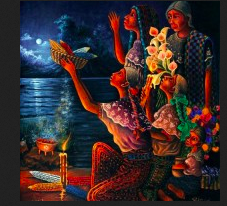
Medicine Women of the Four Corners
Curanderas -women who heal – have existed since time immemorial. Even in our modern age, their presence remains powerful, relevant, and deeply needed.
These healers often believe they have been called to their path through divine guidance. Rooted in faith and devotion, many curanderas work within traditions influenced by Catholicism, Indigenous wisdom, and ancestral folk medicine. Their work is not simply a profession; it is viewed as a sacred responsibility — a commitment to carry healing, prayer, and compassion into the world.
Within Catholic tradition, saints are often seen as intermediaries who help carry prayers to God. For curanderas, invoking saints does not replace direct prayer, but rather deepens intention and strengthens spiritual connection. Saints become trusted allies in helping ease the suffering of those seeking healing.
Curanderismo, which loosely translates as “the practice of healing,” encompasses a rich blend of herbal wisdom, ritual, prayer, energy work, and traditional remedies passed through generations. Deeply rooted in Hispanic and Indigenous traditions, curanderismo addresses not only physical illness, but also the emotional, spiritual, and communal dimensions of health.
The Power of Rituals in Healing
Daily rituals shape the rhythm of our lives. They ground us, comfort us, and reconnect us to what matters most. Rituals are more than habits — they are expressions of belief and pathways to healing.
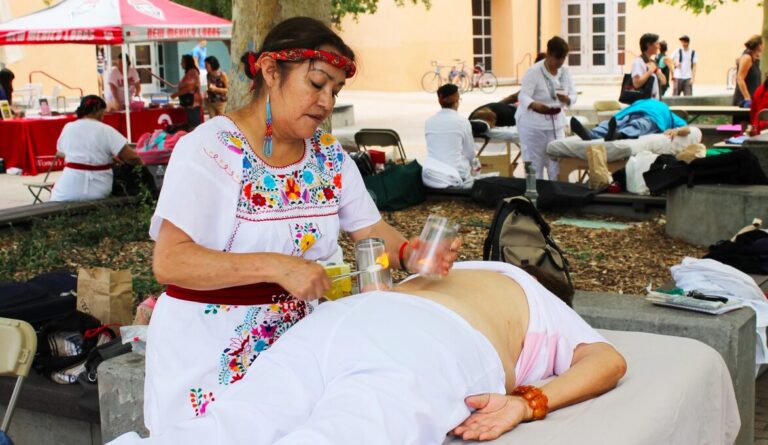
Healing ceremonies led by curanderas are powerful examples of this sacred tradition. Whether through prayer, herbs, touch, or ceremony, these practices reinforce the belief that healing involves the whole person — body, mind, and spirit.
At the same time, curanderas are not viewed as magicians who “fix” people. Rather, they serve as facilitators and guides. The deepest healing ultimately comes from within.
Often, pain itself becomes a messenger. The body speaks through discomfort, exhaustion, imbalance, and intuition, quietly revealing what needs attention. Learning to listen to those signals can become the beginning of transformation.
Embracing Self-Healing
The belief that the body has the capacity to heal itself is both ancient and empowering. Illness often arises when balance is disrupted — physically, emotionally, mentally, or spiritually. Healing, then, becomes the process of restoring harmony.
Throughout Native American and Hispanic traditions, medicine women and curanderas earned trust through wisdom, integrity, spiritual insight, and service to their communities. Many became respected leaders in worlds where women’s voices were often overlooked.
In many ways, they were trailblazers — preserving sacred knowledge while restoring harmony, dignity, and hope to those who were suffering.
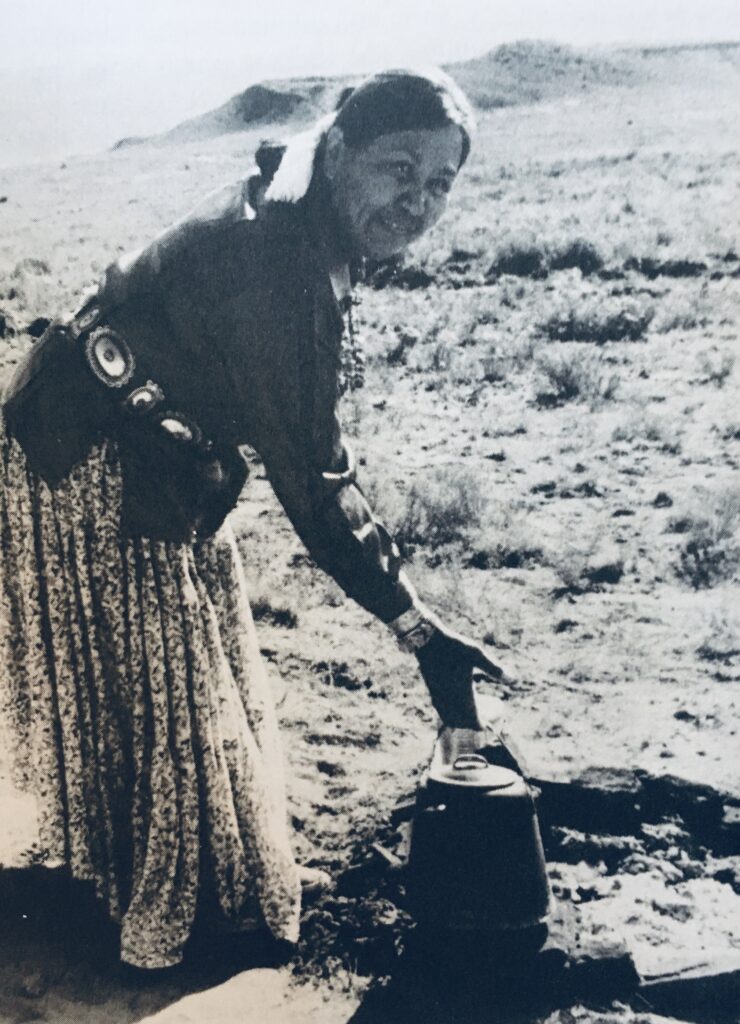
One Navajo medicine woman whose story stayed with me was Annie Kahn, known by the beautiful name “The flower that speaks in a pollen way.” Her quiet strength reflected the deep connection many traditional healers hold with the natural world.
Perhaps this is why I was drawn to the healing art of Jin Shin Jyutsu, a gentle form of acupressure. For more than 35 years, I have shared this practice within the communities where I’ve lived. The experience has been deeply healing, spiritual, and transformative — not only for others, but for myself as well. In many ways, I came to understand that modern-day curanderas still exist, though their paths may look different today.
Rediscovering Nature in a Technological Age
We live in an era dominated by technology, constant stimulation, and disconnection from the natural world. In many ways, humanity has drifted away from the rhythms that once grounded us.
Nature, however, remains one of our greatest teachers.
The desert, mountains, rivers, herbs, and changing seasons remind us that balance is not something we force — it is something we return to. We are part of nature, not separate from it.
As we move forward into an uncertain future, reconnecting with the earth and honoring ancient wisdom may become increasingly essential for our collective well-being.
Nurturing Health in Challenging Times
Modern life presents many challenges to our health. Processed foods, environmental toxins, polluted water, chronic stress, and overexposure to chemicals can leave the body overwhelmed and depleted.
Like many people, I have experienced my own struggles with digestive health and chronic discomfort. Learning that my well water contained arsenic was a turning point for me. Making changes — including improving my water quality and becoming more mindful of what I consumed — brought significant relief.
Through this experience, I gained a deeper appreciation for the importance of gut health and the body’s remarkable ability to recover when supported properly.
There is no single path to healing. What works for one person may not work for another. The journey often involves patience, experimentation, intuition, and learning to trust your body’s signals.
Legacy of Longevity: Dr. Hazel Parcells
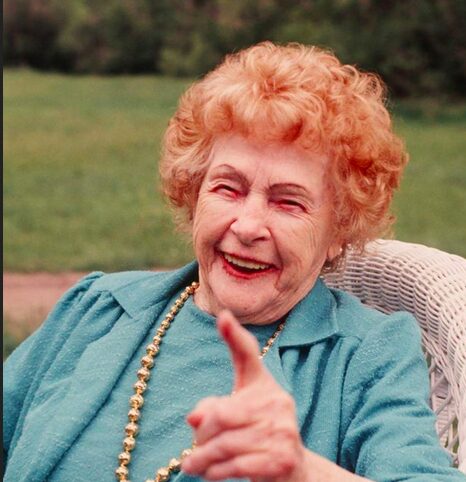
Another remarkable healer from northern New Mexico was Hazel Parcells, who lived in the quiet village of Sapello. Dr. Parcells became known for her pioneering work in nutrition, detoxification, and natural health — and she lived to the extraordinary age of 106.
She believed that the “Fountain of Youth” already exists within us, sustained through proper nourishment, glandular balance, cleansing, and harmony within the body.
Among the many healing practices she recommended were therapeutic baths, which she viewed as a simple yet powerful way to support detoxification and relaxation.
The Healing Art of Therapeutic Bathing
Therapeutic bathing, in essence, is a cleansing ritual, another pathway toward healing. It mirrors the increasing popularity of hot springs, where people seek the benefits of natural water sources.
The methods employed by curanderas is prolific. Ranging from herbs, massage, energy work, and dietary adjustments to sweat lodges, hot springs, fasting, saging, meditating and more.
The mechanics behind this purification process are simple yet profound. Hot water draws toxins to the skin’s surface, and as the water cools, toxins are expelled through osmosis. Nature’s inherent principles, with the cool water’s weak energy drawing from the body’s health fortified by hot water, orchestrate this cleansing symphony.
One of my favorite soaks from Dr. Parcells book, Healer: The Pioneer Nutritionist and Prophet, Dr. Hazel Parcells involves dissolving a pound of sea salt or rock salt (epsom salt is a suitable alternative) and a pound of baking soda in a tub of water as hot as you can tolerate. The duration of the bath extends until the water cools. Afterwards, it’s essential to abstain from showering for at least eight hours afterward.
This specific bathing formula is recommended for those exposed to environmental radiation or excessive x-rays, manifesting in symptoms like general muscular aches, nausea, headaches, or disturbances in balance.
