
How a New Mexico Mining Village Keeps Reinventing Itself
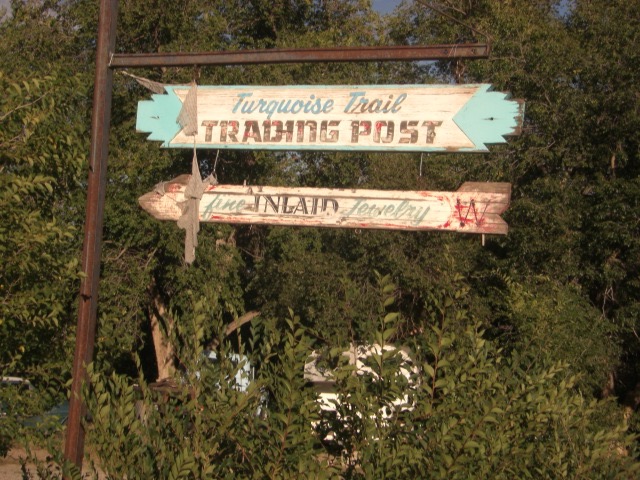
A quiet village along the Turquoise Trail holds more than a thousand years of mining history.
There was gold in “them thar hills”—along with turquoise, lead, zinc, silver, copper and coal.
Today, you would hardly know it.
Follow the Turquoise Trail south from Santa Fe and you’ll come to Cerrillos, a sleepy village whose name means “little hills” in Spanish. I lived in the Cerrillos area in 2017, and even then it was hard to imagine the frenzy that once surrounded those quiet hills.
But in 1879, prospectors arrived from the booming mining town of Leadville, Colorado, carrying stories of riches hidden beneath the New Mexico landscape. The Cerrillos mining rush was on.
Within a remarkably short time, more than 1,000 mining claims had been registered in the surrounding hills.
From Tent Camp to Boomtown
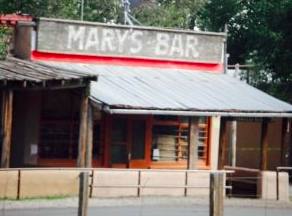
Cerrillos began as a tent camp, populated by miners and others hoping to profit from the rush. Then the railroad arrived in 1880, transforming the settlement into an important supply center for mining camps scattered throughout the surrounding hills.
Saloons, hotels, dance halls, stores and churches followed.
At its height, Cerrillos had a population of around 1,000 people, with some accounts describing more than twenty saloons and several hotels. Imagine that compared with the Cerrillos you see today. Fortunes were made—and sometimes lost just as quickly.
Territorial governor Lew Wallace was among those drawn to the mining district. While staying at a hotel in Carbonateville—a booming mining camp about two miles north of Cerrillos that has long since disappeared—Wallace worked on the galley proofs of his novel Ben-Hur. But the mining story of these hills didn’t begin with the prospectors of the 1800s. It began centuries earlier.
Mining Long Before the Boom
Pueblo peoples from surrounding communities were mining turquoise and galena in the Cerrillos Hills between A.D. 700 and 900—and possibly earlier.
Turquoise was far more than something beautiful to wear. It held cultural and ceremonial significance and became part of extensive trade networks throughout the Southwest and beyond.
Later, Spanish colonization brought a different demand for the minerals beneath these hills. Lead, silver and other deposits were sought and mined, beginning another chapter in a story that would eventually stretch across more than a thousand years.
From Mining Ground to State Park
Most of the old mining activity took place in the hills just north of the village, an area now protected within the Cerrillos Hills State Park.
Five miles of trails, perfect for biking, hiking as well as horseback riding. wind through a landscape filled with reminders of the past. Old mine shafts and workings remain scattered throughout the hills, while interpretive signs tell some of the stories of the people who once searched this land for turquoise, lead, silver and other minerals.
The hills that once drew people searching for minerals now draw people for very different reasons. Seasonal events such as stargazing, burro runs, sunset hikes, birdwatching, landscape photography, drum making presentations as well as other educational programs invite visitors back into a landscape once dominated by mining.
The trails also open onto spectacular views of the Sandia, Ortiz, Jemez and Sangre de Cristo mountain ranges.
And there are smaller discoveries.
After a wet winter, you may come across tiny yellow flowers called chocolate flowers. Get close enough and you’ll understand their name—they really do smell like chocolate!
That’s one of the things I’ve always loved about exploring New Mexico. History may be the reason you start walking, but something unexpected usually makes you stop.
A Village Reinvented
Cerrillos didn’t disappear when the mining boom faded. In some ways, the village simply reinvented itself.
Walk its dusty streets today and you’ll still find historic adobe and stone buildings, but many have taken on new lives. Cerrillos Station occupies a beautifully restored historic building and has become a gathering place for local artists, entrepreneurs and farmers. The mercantile offers everything from regional art and antiques to books, jewelry and groceries, with a seasonal farmers market bringing the community together.
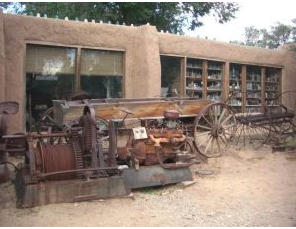
A few streets away, Casa Grande Trading Post carries the mining story forward in a very different way. Its sprawling adobe building houses the Cerrillos Turquoise Mining Museum, along with rocks, minerals, locally mined Cerrillos turquoise—and even a small petting zoo.
Then there’s the Black Bird Saloon, where you can step through the doors of an old adobe building, order a burger and a local beer, and imagine the days when Cerrillos was crowded with miners looking for a drink after a long day in the hills.
These places aren’t separate from the Cerrillos story. They’re part of its latest chapter.
Intriguing invitation to Cerrillos NM. Makes me want to go there.
Seems like a great day trip learning about American history
Yep, you got that right and this is the first of a series I plan to write on The Turquoise Trail.